
Cage and frame
How well the protective cage absorbs contact, and whether damaged sections can be replaced quickly.
Caged inspection aircraft for tanks, vessels, silos, boilers and large voids. Built to meet surfaces and keep flying.
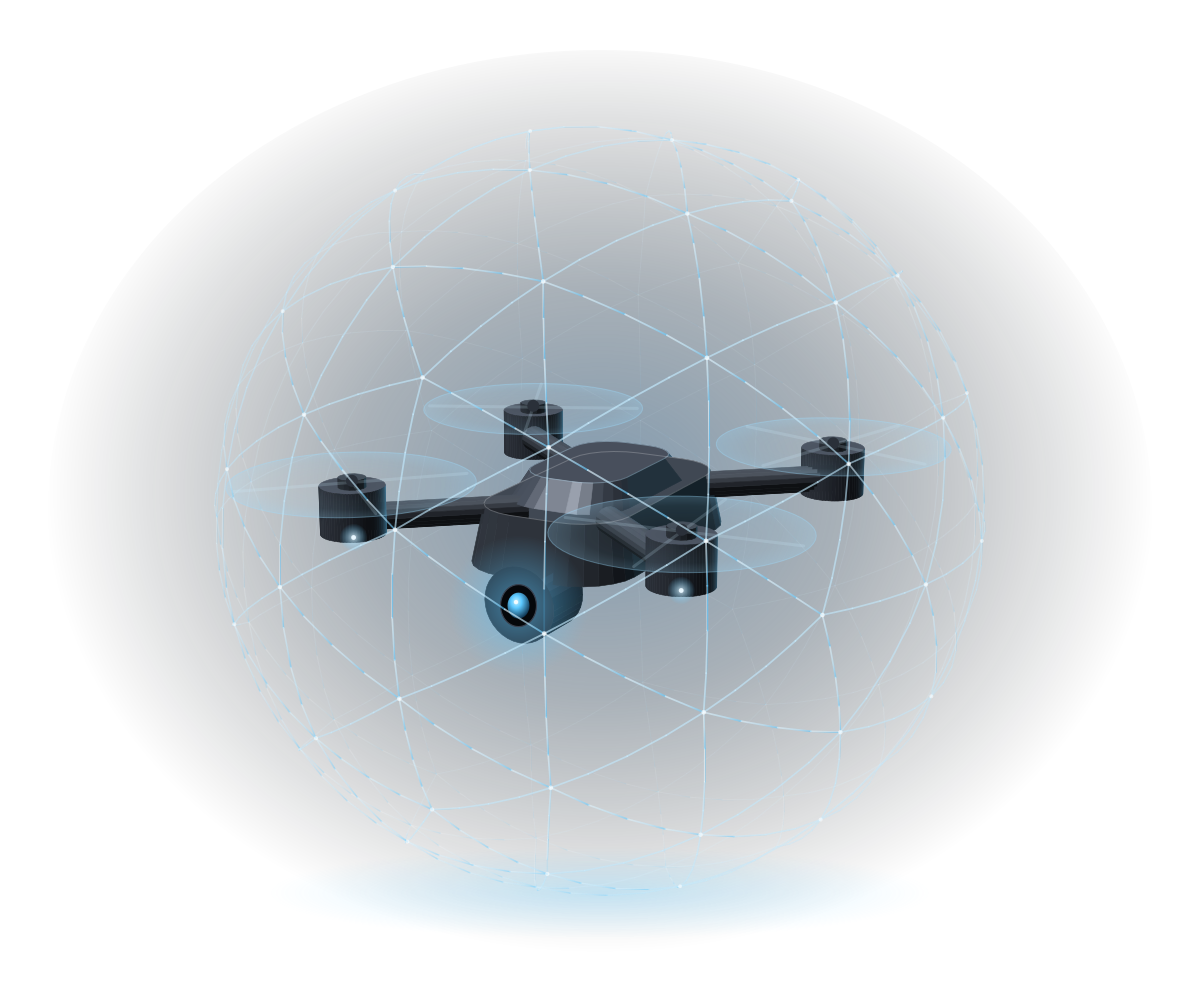
When the space is big, dark and awkward to reach, a caged drone lets you see all of it from the entry point. The cage takes the knocks, so you can get close to the surfaces that matter.
Best for
The cage lets the aircraft make contact with walls, beams and pipework, so you can inspect at close range instead of from a cautious distance.
What to consider
The questions worth asking before you buy. We’ll talk them through with you against the job you have in mind.
How well the protective cage absorbs contact, and whether damaged sections can be replaced quickly.
Onboard lighting output and control, so dark interiors, dust and reflective surfaces stay manageable.
Resolution, zoom and tilt range, and whether you also need thermal or other sensors.
How long each flight lasts and how many batteries a full inspection really needs.
There’s no satellite signal indoors. Check how the aircraft holds position and keeps the pilot oriented.
How footage is stored, reviewed and turned into something you can hand to a client.
Line-up
Price on request
Get a quotePrice on request
Get a quotePrice on request
Get a quote[Line-up to be confirmed. Models and specifications will be added here.]
Other ways in
Get a quote
Describe the space, the access point and what you need to see. You’ll get a recommendation and a tailored proposal.